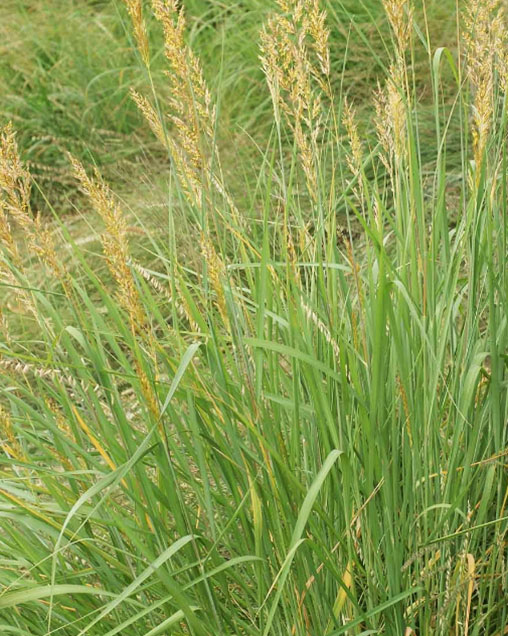
As America celebrates 250 years, it’s worth remembering that long before Missouri was a state, before barbed wire, tractors or even the first homesteads, this land was already raising forage.
When settlers first arrived in Missouri, they didn’t need a university study to tell them where the good grazing ground was—they could see it. Rolling prairies covered in Big Bluestem that towered overhead. Indiangrass moving through the wind. Eastern Gamagrass in the lower ground. Native plants that had spent centuries adapting to Missouri’s weather patterns without input from anyone.
The grass was so abundant that early travelers and settlers frequently described Missouri’s prairies as “horse-high” or “saddle-high” grasslands, with native species like Big Bluestem and Indiangrass often growing six feet or more in productive stands. It was obvious: this was livestock country.
Native Grasses Built for Grazing
More than two centuries later, that observation still holds up. While agriculture has changed and producers have more forage options than ever, native species are getting another look for the same reasons they were valuable in the first place. They grow when it’s hot. They handle drought. And they tend to keep going when cool-season grasses slow down in July and August.
A lot of that resilience starts below ground. Native grasses put a significant amount of energy into root development, often extending several feet into the soil profile. That helps them find moisture during dry periods and improve soil structure over time. It also explains why establishment takes patience. Introduced forages often prioritize quick top growth. Native grasses are more focused on building the foundation first. Producers sometimes sum it up as: the first year they sleep, the second year they creep and the third year they leap.
Establishing Native Grasses: What to Expect
That timeline matters. Native grasses generally require more upfront investment per acre and a longer establishment period before full production is realized. It is not unusual to see reduced forage output during those early years, which is something that often gets mentioned less in broader discussions about native systems.
That doesn’t make them a bad option. It just makes them a long-term one.
Producers who commit to them are typically thinking in terms of decades, not seasons, and when stands are established, they can be highly productive and well-suited to Missouri’s summer growing conditions.
Species like Big Bluestem and Indiangrass can provide quality summer forage with protein levels that support growing cattle, while Eastern Gamagrass is known for strong production and feed value when managed correctly. One of their biggest advantages is timing. When cool-season grasses slow down in midsummer, native warm-season grasses are often at their peak.
More Than Just Forage
Native grass stands also bring value beyond grazing. Grasses like switchgrass provide cover and nesting habitats for upland birds like quail and turkey, along with shelter for deer and other wildlife species. They also support pollinators and beneficial insects that depend on diverse prairie ecosystems.
That dual purpose is part of why interest has grown among landowners who manage both livestock and hunting ground. In the right system, native grasses can support both.
Regenerative Grazing & Native Grass Recovery
One of the more interesting trends in grazing systems is that native species sometimes begin to reappear on their own. Producers using rotational grazing and improved rest periods occasionally notice species like little bluestem or Indiangrass showing up again in pastures where they haven’t been seen in years. In many cases, those plants were never fully gone. They were just waiting for conditions that gave them a better chance. That’s something worth paying attention to.
As Missouri Southern Seed joins in celebrating America’s 250th anniversary, we’re reminded that some of the oldest ideas are still worth exploring. Getting back to our roots doesn’t mean turning back the clock or abandoning innovation. It simply means appreciating the plants that made this land great grazing country in the first place and recognizing that they may still have an important role to play in its future.
